Equal Pay...What's Up in Your Company?


April 9, 2013 is Equal Pay Day so we thought we'd share information that might spark a conversation in your company.

Last year, through the work of an amazing group of women and the participation of key HR professionals, Vision 2020 RI surveyed many of Rhode Island's largest employers about their gender equity practices.  Here's what we discovered about equal pay.

What Vision 2020 Asked

1.     Does your Human Resource function conduct wage equity audits that look for inequities in compensation between men and women at the same level/position?
  • Yes, annually.
  • Yes, every other year.
  • Yes, less often than every other year.
  • Yes, we conducted a one-time baseline.
  • We don't do wage equity audits at this time.

2.     Without divulging any confidential information, please indicate the results of your audits.
  • We have not done wage equity audits.
  • We have frequently made adjustments to restore wage equity.
  • We have occasionally made adjustments to restore wage equity.
  • We have rarely made adjustments to restore wage equity.
  • We have never found inequities and therefore have not made adjustments.

Why Vision 2020 Asked

While the size of the wage gap has diminished over the past 4 decades, the gap persists across for and non-profit sectors. The WAGE Project estimates that over the course of her life a high school graduate will lose $700,000 in earnings, a college graduate $1.2 million and a woman with a graduate degree nearly $2 million.

The implications for women and their families are significant. Four out of ten women are equal or main breadwinners for their families. These lost earnings impacts the well-being of not only the women, but entire families. And because future security in the form of pensions or other retirement vehicles depends on compensation, the wage gap threatens women’s security in old age.

The Institute for Women’s Policy Research estimates that at the current slow rate of closure, it will take nearly another 50 years (estimate is 2056) for women to reach pay equity.

What Vision 2020 Learned

Organizations are aware of and actively work to diminish the wage gap. Seventy percent of for-profit respondents of our survey have conducted such a study and 31% conduct them annually.  Of the non-profit respondents 88% have conducted such studies with 28% conducting them annually or every other year.

There is much controversy about whether the wage gap is fact or fiction. Our data suggests that organizations recognize it as fact. Thirty nine percent (39%) of for-profit respondents and 50% of non-profit respondents have found and corrected inequities. Only 30% have never or rarely found inequities. This number is higher among non-profit organizations where 50% have made adjustments on occasion.

Recommendations for Action

Since the 1970s, organizations have conducted analyses of compensation to determine pay equity for women and men performing in the same positions (with similar tenure and performance).  Today’s sophisticated Human Resource information systems make it easier than ever to conduct such wage equity audits.  Making these audits a regular part of HR’s compensation analysis cycle would ensure that the wage gap in for-profit and nonprofit organizations is eliminated well before 2056.
 What's up with wage equity audits in your organization?

Lead ON!
Susan
Susan Colantuono, CEO and Founder Leading Women
Author of No Ceiling, No Walls and Make the Most of Mentoring. Underway is her new book, Network! What corporate women need to know about strategic relationships and success
Follow on Twitter | LittlePinkBook | Facebook | LinkedInGroup | LinkedIn
 

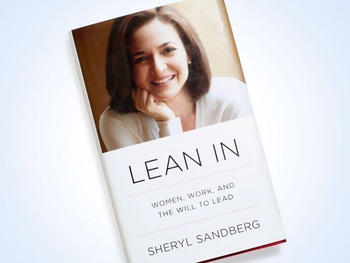
Lean In - Must Read


I just finished reading Lean In and I love it.

Is it a guidebook for women in leadership? Not exactly. But that is not what Sheryl Sandberg set out to write. For me it is several important things and for any one of them should be read. In no particular order, Lean In is:
  1. A summary for younger women of what has happened in the last 40 years to make possible today's opportunities for women.
  2. A compilation of important research upon which policy and practice choices should rest.
  3. A description of foundation skills that women (and men) need in order to be effective in business.
  4. A call for gender equality outside the workplace to enable gender equality inside the workplace.
  5. An unabashed feminist call for equality and a reminder of how far we have yet to go.
  6. An education for managers - men and women - about many of the biases that create career barriers for women.
  7. A source of helpful solutions for eliminating and minimizing some of these barriers.
  8. A collection of personal stories that women and men can relate to, modeling how to draw on their own experiences to make choices and to address gender dynamics.
  9. The voice of a new generation speaking to her peers who might not listen to those who blazed trails.
  10.  A clarion call for women to make educated choices about their aspirations and not let unconscious biases or expectations (lowered) rule them.
  11. And is the courageous voice of a successful F500 woman executive pulling the curtain back once again,  shining light on issues of gender in the workplace and enabling a revitalized dialogue.
I hope that every woman, man, manager and parent will read this book. While the advice to "lean in" alone won't get women to the top, it is an important part of the equation.

Lead ON!
Susan
Susan Colantuono, CEO and Founder Leading Women
Author of No Ceiling, No Walls and Make the Most of Mentoring. Underway is her new book, Network! What corporate women need to know about strategic relationships and success
Follow on Twitter | LittlePinkBook | Facebook | LinkedInGroup | LinkedIn
 

"Leaning In" Isn't Enough


I've been delighted as Sheryl Sandberg, COO of Facebook has taken public stances on the issue of women's advancement. I look forward to the release of her book Lean In. Her advice to women to "lean in" is important - especially for women who aren't already acting on their ambitions. But research tells us that this isn't advice for all women! It's generally advice for women who are on their way to middle management positions or who are already in middle management, but timid about their ambitions.

What about women who are already in the middle, who aspire to senior positions and believe they are doing all it takes to get there? The advice to "lean in" has limited value to them, but these 4 interventions will enable them to create a career that soars
1. Ensure that Women Develop Business, Strategic and Financial Acumen: We call this set of competencies "The Missing 33%™" because they represent the most important third of leadership excellence. As a matter of fact, our research into what directors look for in C-suite candidates and executives look for in high potential candidates indicate that business, strategic and financial acumen account for 50% of the criteria! Women need these messages!
2. Eliminate Gender Bias in HR Systems: Most companies' talent development and performance management systems over-emphasize interpersonal skills or personal greatness and under-emphasize the importance of business, strategic and financial acumen. Absent formal messaging about these executive-critical competencies AND the lack of mentoring that women get about them, women are left scratching our heads about why our excellent interpersonal and team skills aren't enough to get us to the top.
3. Address Gender Dynamics: Managers who make talent decisions about succession and promotions into senior management hold assumptions about women and men, careers and leadership and many of these assumptions disadvantage women. As a matter of fact, research by McKinsey finds:
“Of all the forces that hold women back, none are as powerful as entrenched beliefs.

While companies have worked hard to eliminate overt discrimination, women still face the pernicious force of mindsets that limit opportunity…”
     
4. Focus on Competencies for Executives: In an earlier blog I wrote,
"Traditional advice lays a strong foundation for career success, but it will only take women so far. Take a look and you'll notice that most traditional advice is focused on helping women move from career-start to middle management.


CAREER TRANSITION

CONVENTIONAL ADVICE TO WOMEN
Career-Start to Middle
Middle to Senior/Exec
Learn to self-promote
X

Learn to speak up, be more assertive
X

Become more confident
X

Set ambitious goals, don’t leave before you leave
X

Get a mentor
X

Learn to network
X

Enhance your personal brand
X

Develop executive presence

X
Ask!, and negotiate more effectively
X

Have an elevator pitch
X

RECENT ADVICE TO WOMEN


You need a sponsor

X
Women who are already "leaning in" need more advice about how to move from the middle into senior positions and what they have received has been woefully inadequate. (For more on what this advice looks like, email us.)

So, Sheryl we wish you all the best with your "Lean-In Circles" - they will play an important role in keeping the pipeline of talent full of women. At the same time, we hope that organizations that truly care about women's advancement make them only one part of a more comprehensive strategy to ensure that top talent is developed! 

Lead ON!
Susan
Susan Colantuono, CEO and Founder Leading Women
Author of No Ceiling, No Walls and Make the Most of Mentoring. Underway is her new book, Network! What corporate women need to know about strategic relationships and success
Follow on Twitter | LittlePinkBook | Facebook | LinkedInGroup | LinkedIn


An Abundance of News

Why is it that just ahead of Black History Month so much news comes out about women in general?

Gender Dynamics

At Davos, Sheryl Sandberg spoke out about the impact of gender dynamics on women's advancement.
"She blasted managers who unconsciously reflect stereotypes when they judge women's performance, saying: 'She's great at her job but she's just not as well liked by her peers,' or: 'She's a bit aggressive.'
"They say this with no understanding that this is the penalty women face because of gender stereotypes,' she said."
This is an issue we've been tracking for decades - and working with a few progressive organizations that are addressing it head on. You can view info about our related service line here:


On a side note, the language used to describe Sheryl is disturbing. She's said to have "launched a fierce attack" and, as you read, "blasted managers." I'd suggest there was a bit of stereotyping going on by the authors/editor!

2012 Gender Gap Report

Every year I wait for the WEF Gender Gap Report - especially since the research points out a strong correlation between gender equity and economic prosperity.  Take a look at the video and download the entire report.


More from Davos, this EXCELLENT article capitalizing on the correlation between gender equity and economic prosperity.
"The rewards are becoming demonstrable. Significant research from the World Bank to the public and private sectors has shown how investments in women yield a “double dividend”: women are more likely than men to invest their incomes in their families and communities, driving GDP up and illiteracy and mortality rates down. This double benefit, combined with pure market forces, now presents Wall Street and women with a unique and mutually beneficial opportunity."

33% Still Missing

Good news from an Apollo Group study that finds that women are well poised to lead into the 21st century. Why? Because...
  • "Women top the charts in key skills.
    • Women outperform men on key leadership competencies, such as communicating, coaching, organizing people, thinking creatively and solving problems.
    • Women also score higher than men on traits that are essential in today’s collaborative work environments, such as empathy, transparency and inclusiveness."
Undoubtedly, if you're a Leading Women follower, you'll notice that all the mentioned strengths have to do with personal greatness (problem solving, empathy, transparency) or engaging others (communicating, coaching, inclusiveness). And while they're important...yawn! Similar findings have been true for decades.

Referencing our definition of leadership (Leadership is using the greatness in you to achieve and sustain extraordinary outcomes by engaging the greatness in others.), what's still missing is the 33% of leadership that has to do with "achieving and sustaining extraordinary outcomes." There's nary a finding that bosses think women outperform men in business, strategic or financial acumen.

A Bit of the 33%

It's not much, but it's a start (and it can be taken as meaning that women focus on the job, not the outcomes). Nevertheless, we celebrate these findings (emphasis added). Recent research reported by HBR found:
"...at all levels, women are rated higher in fully 12 of the 16 competencies that go into outstanding leadership. And two of the traits where women outscored men to the highest degree, were taking initiative and driving for results – two traits which have long been thought of as particularly male strengths.
When global management consulting firm McKinsey asked business executives around the world what they believe were the most important leadership attributes today, the top four results were intellectual stimulation, inspiration, participatory decision-making and setting expectations/rewards — all attributes more commonly found in women leaders."
Reported here.

A Dose of Irony

Why in the 21st century does an organization retain the name "manpower?" And isn't this the height of irony:
“The world simply cannot afford such a poor representation of half the talent pool when filling key leadership positions is posing such a global challenge. Growing the pipeline of women in management roles is critical to having the talent businesses need to win,” said Mara Swan, ManpowerGroup Executive Vice President, Global Strategy and Talent. “Companies should revisit old-fashioned work models and people practices so that high-performing women are not prevented from rising to leadership positions.”
Who's old fashioned? Reported here.

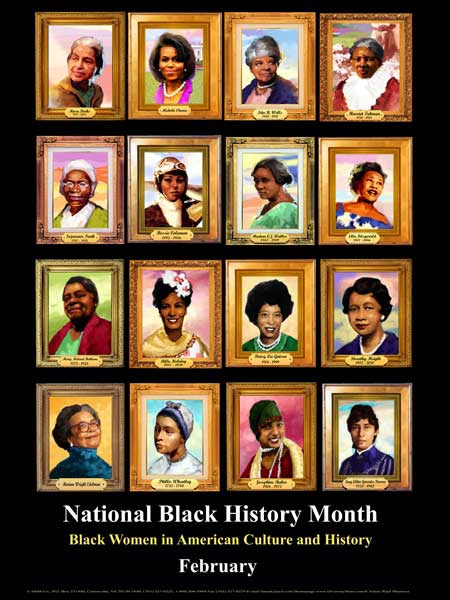
Black Women in History

And during this month we join in celebration of all the African American and black women who have moved America forward. Meet some here.

Lead ON!
Susan
Susan Colantuono, CEO and Founder Leading Women
Author of No Ceiling, No Walls and Make the Most of Mentoring. Underway is her new book, Network! What corporate women need to know about strategic relationships and success
Follow on Twitter | LittlePinkBook | Facebook | LinkedInGroup | LinkedIn
New Year, New Insights on Women's Advancement

Much of the effort that organizations invest in women's advancement isn't solving the talent development challenges executives care most about. Sure all the advice today’s diversity and learning functions are giving women is helpful, but it falls short in fueling the pipeline for women into senior and executive positions.

For example, in December, Catalyst’s published its latest census of Fortune 500 companies with the headline No Change for Women in Top Leadership. While we can celebrate the fact that the pipeline of middle management and feeder professional/technical positions remains around 50% women, we must also decry the fact that the percentage of women at the top remains below 20% and hasn’t changed significantly in over a decade (as measured by the percent of F500 women corporate officers it has actually declined in 2012 to 14.3%). 

How can this be when there have never been more consultants, coaches and companies offering services to support women’s careers?

One reason is that the vast majority of the advice given to women today is essentially repackaging of advice that has been around since the 1970s. While this guidance has been instrumental in helping women advance from career-start into middle management, it is woefully insufficient in preparing them to move into senior and executive positions.

Traditional advice lays a strong foundation for career success, but it will only take women so far. Take a look and you'll notice that most traditional advice is focused on helping women move from career-start to middle management.


CAREER TRANSITION

CONVENTIONAL ADVICE TO WOMEN
Career-Start to Middle
Middle to Senior/Exec
Learn to self-promote
X

Learn to speak up, be more assertive
X

Become more confident
X

Set ambitious goals, don’t leave before you leave
X

Get a mentor
X

Learn to network
X

Enhance your personal brand
X

Develop executive presence

X
Ask!, and negotiate more effectively
X

Have an elevator pitch
X

RECENT ADVICE TO WOMEN


You need a sponsor

X

Delivering traditional advice to help your organization move women from the middle to the top is like giving them a 5-speed bike to compete in the Tour de France. It won’t help them keep up with the pack.

At Leading Women we are expert at delivering the tools that women need to transition from the middle into senior and executive positions. If you’d like to learn more about bringing our Breakthrough Leadership content to your organization, email us.

Lead ON!
Susan
Susan Colantuono, CEO and Founder Leading Women
Author of No Ceiling, No Walls and Make the Most of Mentoring. Underway is her new book, Network! What corporate women need to know about strategic relationships and success
Follow on Twitter | LittlePinkBook | Facebook | LinkedInGroup | LinkedIn

"I Did It My Way!"


"Regrets, I've had a few
But then again, too few to mention
I did what I had to do and saw it through without exemption
I planned each charted course, each careful step along the byway
And more, much more than this, I did it my way"
Who knew that Frank Sinatra's signature song concealed important career advice? Certainly not the woman I was sitting with at lunch the other day. She was chosen to participate in our Breakthrough Leadership series and I had asked her about her interest in moving up to the next higher level.

As with many women she replied that she wasn't sure that she wanted to take on the long hours that were required. So I asked her, "why are the hours so long?"

"Because in that job, client entertainment is important," she answered and went on to describe how often and late into the night the man holding her next likely job entertained clients.

I subtly suggested that she wouldn't have to perform the job as he currently did.

The executive who was seated at the table (let's call him Frank) returned from the buffet line and chimed in, "You know, you don't have to take clients to football games. I don't like football and have never used the company's seasons tickets."

We hadn't been talking about football, but his comment shifted the conversation to other types of entertainment - including horse shows, spas and theater. After he left I asked her, "what was the important message that you just heard?"

"That I can shape the job to my own interests and situation," she replied.

Indeed!

Too many women look at possible future jobs and make decisions about advancement based on what they see, not on how they could shape the job.

Don't let some guy's idea of how a job needs to be done ever dissuade you from seriously considering a higher or different position.

Take a bit of advice from Frank...take the job and do it your way!

Lead ON!
Susan
Susan Colantuono, CEO and Founder Leading Women
Author of No Ceiling, No Walls and Make the Most of Mentoring. Underway is her new book, Network! What corporate women need to know about strategic relationships and success
Follow on Twitter | LittlePinkBook | Facebook | LinkedInGroup | LinkedIn

Lessons from the 13th Most Wealthy Woman

Forbes just released its list of the 400 richest Americans and it took until number 92 on the list to find a woman who is known primarily as an executive not an heiress. Meet Marilyn Carlson Nelson.

Marilyn Carlson Nelson was the CEO and now chairs the board of hotel, travel and restaurant company Carlson Inc. Her father, Curt  founded the company in the 1930s. Marilyn served as CEO until 2008 and will step down from her post as chairman next year. She is also on the board of the Committee Encouraging Corporate Philanthropy, whose member companies account for more than 40% of corporate giving in the US, and she teaches corporate responsibility to MBA students at the University of Minnesota. She has been named one of "America's Best Leaders" by U.S. News and World Report.

Marilyn has important lessons to teach women about leadership and about strategic relationships. In her book, How We Lead Matters: Reflections on a Life of Leadership, she writes:
"I am convinced that it would not have mattered where my life work might have taken me. In the end, I would arrive at the same conclusion: It is all about relationships."
She writes this as she reflects on her departure as CEO of Carlson and after expressing gratitude to the key groups in her strategic network:
  • Her executive team who taught her the "boundless power of 'we'."
  • Employees who care for one another and the customers.
  • Suppliers who enable the company to serve.
  • Customers and partners for their loyalty and trust in the company.
What lesson can you learn from her?
I find 3.
  1. Encountering people with gratitude and the assumption of positive intent.
  2. It's essential to have a strong internal AND external network.
  3. And it's important to develop your strategic relationships in the context of your organization and moving it forward.
If you take her lessons to heart, you might not make it to Forbes list of the richest Americans, but you'll help move your organization forward, have a rewarding career and make a difference in the lives of those you encounter.

Lead ON!
Susan
Susan Colantuono, CEO and Founder Leading Women
Author of No Ceiling, No Walls and Make the Most of Mentoring. Underway is her new book, Network! What corporate women need to know about strategic relationships and success
Follow on Twitter | LittlePinkBook | Facebook | LinkedInGroup | LinkedIn